

Introduction:
Learn how to quickly calm an anxious dog with proven, practical techniques based on the science of canine behavior. Immediate actions, home remedies and advice from experts.
How to Calm an Anxious Dog Quickly (Practical Guide)
The fastest way to calm an anxious dog is to immediately remove or reduce the trigger, lower environmental stimulation, and use calming techniques like gentle pressure, licking/sniffing redirection, and a quiet safe space to help the dog’s nervous system de-escalate within minutes.
Dog anxiety is not just “bad behavior”—it is a biological stress response involving adrenaline and cortisol. The goal in the first few minutes is not training or correction, but nervous system regulation.
Understanding Why Dogs Become Anxious (Quick Science Context)
Anxiety in dogs is triggered when the brain perceives a threat—real or perceived. This activates the sympathetic nervous system, leading to:
- Increased heart rate
- Panting or drooling
- Pacing or shaking
- Destructive behavior
- Vocalization (barking, whining)
Common triggers include:
- Loud noises (fireworks, thunder)
- Separation from owner
- New environments
- Strangers or animals
- Past trauma or poor socialization
- Pain or medical conditions
Fast calming techniques work by activating the parasympathetic nervous system, which is responsible for rest and recovery.
Step 1: Remove or Reduce the Trigger Immediately
The fastest intervention is environmental control.
If possible:
- Move the dog to a quieter room
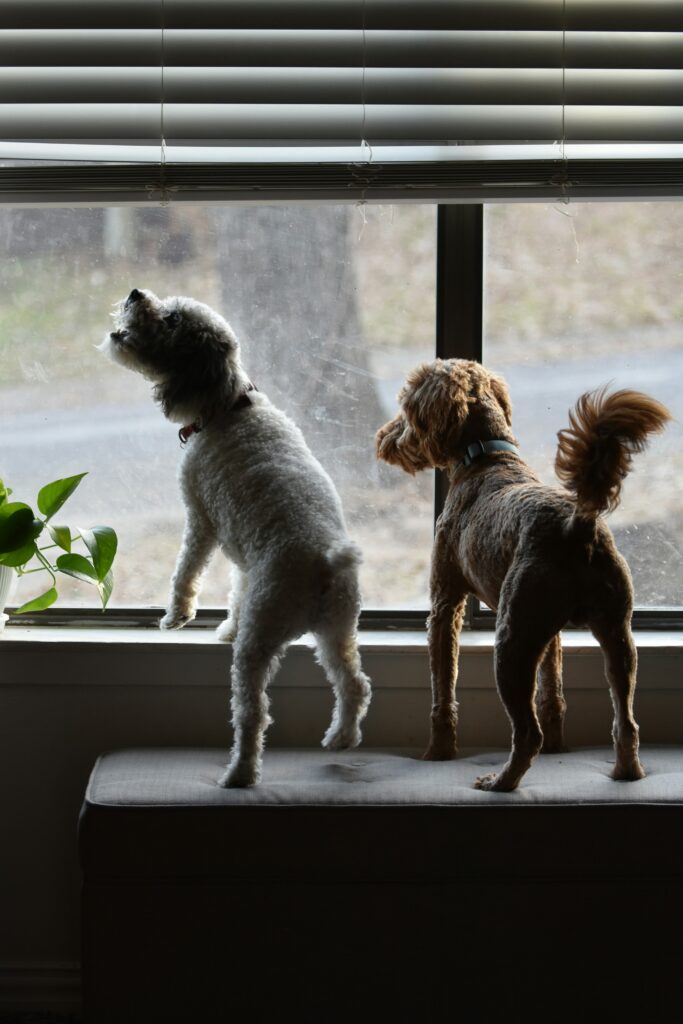
- Close curtains to reduce visual stimulation
- Shut windows to block noise
- Increase distance from trigger (e.g., street, guests, other pets)
Dogs cannot regulate stress while the trigger is actively escalating their fear response.
Think of this as “stopping the input” before applying calming techniques.
Step 2: Lower Your Own Energy (This Matters More Than People Think)
Dogs are highly sensitive to human emotional cues. Fast movements, loud voices, or anxious energy can reinforce their stress.
Do this instead:
- Move slowly and predictably
- Avoid direct eye contact if the dog is fearful
- Speak in a low, calm tone—or stay quiet
- Do not rush toward the dog
In behavioral science, this is called co-regulation: the dog uses your nervous system as a reference point.
Step 3: Create Immediate Physical Security (Den Effect)
Dogs calm faster in enclosed, predictable spaces.
You can create a “den-like” environment by:
- Using a crate (if crate-trained)
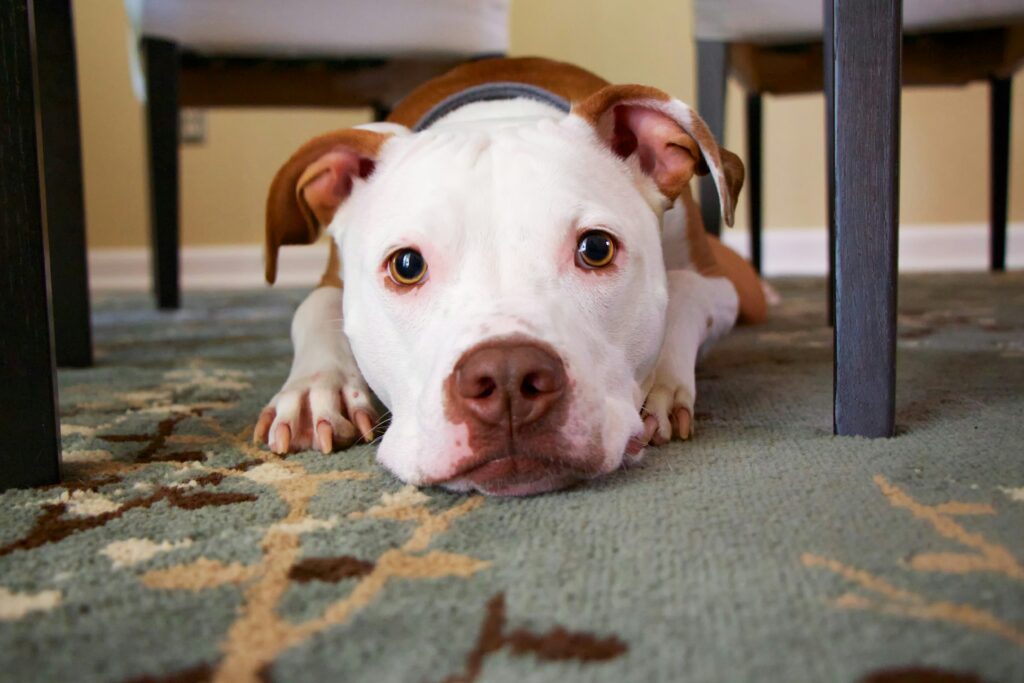
- Placing the dog under a table
- Creating a corner with blankets or cushions
- Partially covering the space to reduce visual input
This reduces sensory overload and helps the dog feel hidden and protected.
Important: The dog must choose to stay there. Forcing confinement can worsen panic.
Step 4: Use Deep Pressure Therapy (Fastest Physical Calming Tool)
Deep pressure activates calming neurological pathways similar to swaddling in infants.
Options:
- Anxiety wrap or ThunderShirt
- A snug towel wrap around the body (not tight, not restricting breathing)
- Gentle side contact if the dog seeks it
Why it works:
- Reduces heart rate
- Lowers cortisol levels
- Provides body awareness (proprioceptive grounding)
This is one of the most reliable fast-acting methods in veterinary behavior practice.
Step 5: Redirect the Brain Using Licking or Sniffing
Dogs cannot stay highly anxious while engaging in sustained sniffing or licking.
Offer:
- High-value treat (peanut butter, soft treats)
- Scatter food on the floor (“sniffing game”)
- Lick mat if available
Slowly guide the dog into:
- Licking → chewing → sniffing
These behaviors naturally down-regulate stress hormones and shift brain activity from fear to focus.
Step 6: Controlled Touch (Only If the Dog Accepts It)
Touch can either calm or escalate anxiety depending on the dog.
Use:
- Slow strokes along chest or side
- Gentle, rhythmic pressure (not patting)
- Minimal movement
Avoid:
- Head patting (often overstimulating)
- Fast rubbing or excited interaction
- Forcing contact if the dog moves away
Rule: If the dog leans in, continue. If they avoid, stop immediately.
Step 7: Add Predictable Background Sound
Silence often makes external triggers more noticeable.
Use:
- White noise
- Soft classical music
- Fan or ambient sound
This masks sudden noises and reduces hypervigilance (constant scanning for threats).
Step 8: Give Time—Do Not Rush Recovery
Even with fast techniques, the nervous system does not reset instantly.
Expect:
- 2–10 minutes for mild anxiety
- 10–30+ minutes for panic episodes
Avoid repeatedly switching strategies. Stability is more calming than stimulation.
Common Mistakes That Make Anxiety Worse
- Comforting in a high-energy, emotional way
- Punishing fear behaviors (increases fear association)
- Overhandling or crowding the dog
- Forcing exposure to trigger (“they need to get used to it”)
- Ignoring pain or medical causes
If anxiety appears suddenly or worsens over time, veterinary evaluation is important.
When Fast Calming Is Not Enough
Seek professional help if:
- Anxiety happens daily or unpredictably
- The dog destroys objects or injures itself
- There is severe separation distress
- Noise phobia escalates into panic attacks
- Behavioral changes are sudden (possible pain or illness)
A veterinarian or certified behaviorist may recommend:
- Behavior modification training
- Calming supplements or medication
- Structured desensitization programs
